



In the world of e-commerce, trust is the most valuable currency. When a customer decides to make a purchase, they entrust the store with not only their money but also extremely sensitive data: name, address, phone number, email address, and sometimes even credit card details. A leak of this information can lead to disastrous consequences—from financial and reputational damage to serious legal consequences. online store security is not a technical addition, but the absolute foundation on which all online trading activities are based.
Ensuring customer data protection isn't a one-time effort, but an ongoing, multi-layered process that encompasses both technological safeguards and informed internal company procedures. In today's world, as cyberattacks become increasingly sophisticated and customers increasingly aware of their rights, ignoring security issues is a sure path to business failure. In this article, we'll detail the key areas and specific actions you need to take to effectively protect your customer data and build a reputation as a trustworthy retailer.
Technical foundations – a solid base for your store
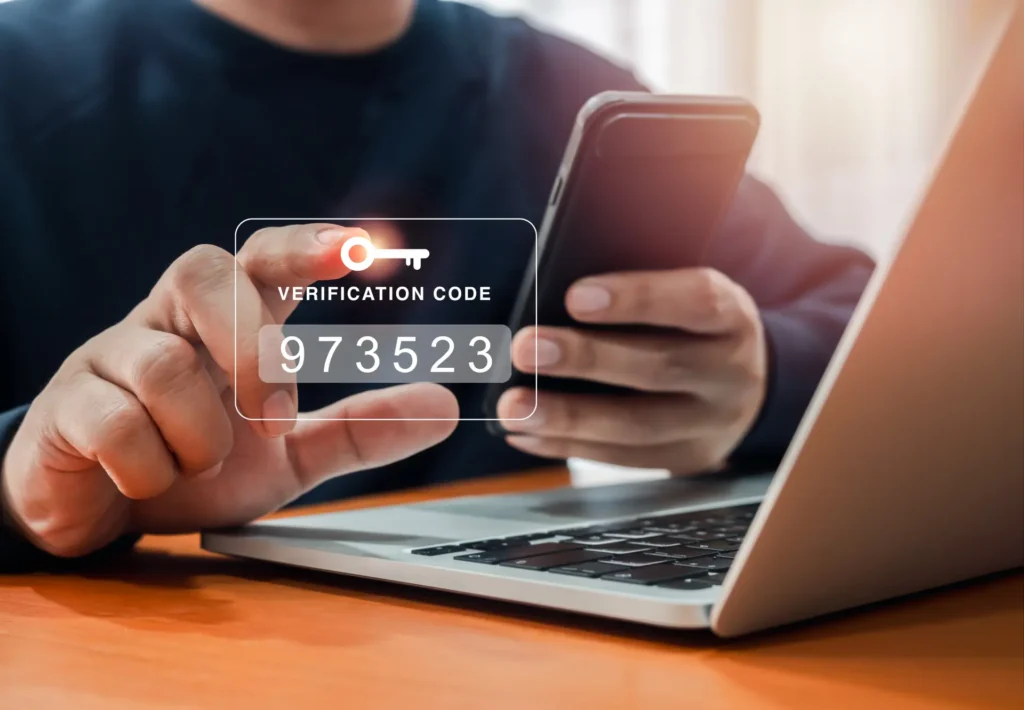

Before we move on to advanced techniques, we need to take care of the absolute basics, without which no other security measures will be effective.
Choosing a secure e-commerce platform and hosting
Security begins with your technology choice. Whether you're using popular SaaS (Software as a Service) platforms like Shoper or Shopify, or open-source solutions like PrestaShop or WooCommerce, you need to ensure they're regularly updated by their developers. Updates include not only new features but, above all, security patches that address newly discovered vulnerabilities. Equally important is choosing a reputable hosting provider that offers built-in security mechanisms, such as DDoS protection, regular server antivirus scanning, and intrusion detection systems (IDS/IPS).
SSL/TLS certificate – mandatory transmission encryption
This is an absolutely essential standard. As we've discussed in previous articles, an SSL/TLS certificate (recognizable by the https:// in the website address and the padlock icon) encrypts all communication between the client's browser and the store's server. This ensures that data such as passwords, personal data, and payment information cannot be intercepted and read by third parties during transmission. In e-commerce, the absence of SSL is unacceptable.
Strong passwords and two-factor authentication (2FA)
The principle of strong passwords applies to both customers and store administrators. It's a good idea to force users to create complex passwords (long, containing lowercase and uppercase letters, numbers, and special characters). However, securing the administration panel is crucial. Implementing two-factor authentication (2FA) for all employees with access to the store's back office drastically increases security. Even if an administrator password is leaked, logging in will be impossible without the second factor (e.g., a one-time code from a phone app).
Application and data-level protection


Once the foundations are in place, the focus should be on securing the store software itself and the data it processes.
Regular software and plugin updates
This is one of the simplest yet most important steps. Every e-commerce platform, every graphical theme, and every installed plugin (module) is a potential door for cybercriminals. Regularly checking and installing the latest software versions is basic digital hygiene, closing known security holes before they can be exploited.
Restricting access to data (principle of least privilege)
Not every employee needs access to all data and functions in the store. The principle of minimum privileges should be applied, which involves granting access only to those resources absolutely necessary to perform the duties of a given position. An employee responsible for adding products does not need access to customer personal data, and a marketer does not need permission to change server configuration.
Protection against common attacks
Online store security requires protection against common attack methods such as:
- SQL Injection (SQLi): An attack that injects malicious SQL code into database queries, potentially leading to the theft or deletion of an entire customer database.
- Cross-Site Scripting (XSS): An attack that involves placing a malicious script on a website that executes in the user's browser and can steal data (e.g., session cookies).
- Brute-force attacks: Automated attempts to guess the admin panel password by testing thousands of combinations. These can be mitigated, for example, by blocking an IP address after several failed login attempts.
Many of these safeguards are built into modern platforms, but they require proper configuration.
Regular backups
Even with the best security measures, failures or successful attacks can occur. Regularly backing up your entire store (files and database) and storing them in a secure, separate location is your insurance policy. In the event of a problem, this will allow you to quickly restore your store and minimize losses.
Payment security and legal compliance



The payments area is particularly sensitive and requires the highest security standards and full compliance with applicable regulations.
Using reputable payment gateways
Instead of processing and storing credit card data yourself, you should use trusted, third-party payment gateways (e.g., PayU, Przelewy24, Stripe, PayPal). These gateways handle the entire transaction process and operate in accordance with rigorous standards. PCI DSS (Payment Card Industry Data Security Standard). This is a set of requirements for the secure processing of payment card data. Integrating with such a gateway relieves you of a significant amount of responsibility.
GDPR Compliance
The General Data Protection Regulation (GDPR) is a law that no store operating in the EU can ignore. Key aspects in the context of e-commerce include:
- Transparent privacy policy: You must clearly inform your customers what data you collect, for what purpose, on what legal basis, and how long you keep it.
- Data minimization: Collect only the data necessary to fulfill your order. Do not ask for your PESEL number unless required by law.
- The right to be forgotten: The customer must be able to easily delete their account and all associated data.
- Registration of consents: You must have proof that the customer has consciously consented, for example, to receiving a newsletter. Consent cannot be pre-selected.
Internal procedures and the human factor
Even the best technology won't help if the weakest link is the human factor. Therefore, implementing appropriate procedures and regularly training staff is crucial.
Company security policy
Create an internal document that clearly outlines data handling policies, password policies, company equipment usage guidelines, and security incident response procedures. Every employee should be familiar with it and be required to follow it.
Regular employee training
Employees must be aware of threats such as phishing (attempts to obtain login credentials through fake emails) and social engineering. Regular cybersecurity training significantly reduces the risk of human error.
Security monitoring and audits
Don't assume your store is secure. Regularly monitor your server logs for unusual activity. At least once a year, it's worth investing in a professional security audit or penetration testing, during which external experts attempt to break into your store to identify potential vulnerabilities.
Summary – security as a process, not a product
Protecting customer data in an online store isn't a task that can be done once and forgotten. It's an ongoing process that requires attention on many levels: from robust technology, through secure software, legal compliance, to the awareness and responsibility of the entire team. By investing in online store security, you're investing in trust – the most important asset in e-commerce. Customers who feel their data is protected are more likely to return and recommend your store to others, which is the best guarantee of stable growth in the long term.


 Polish
  English
  French
  German